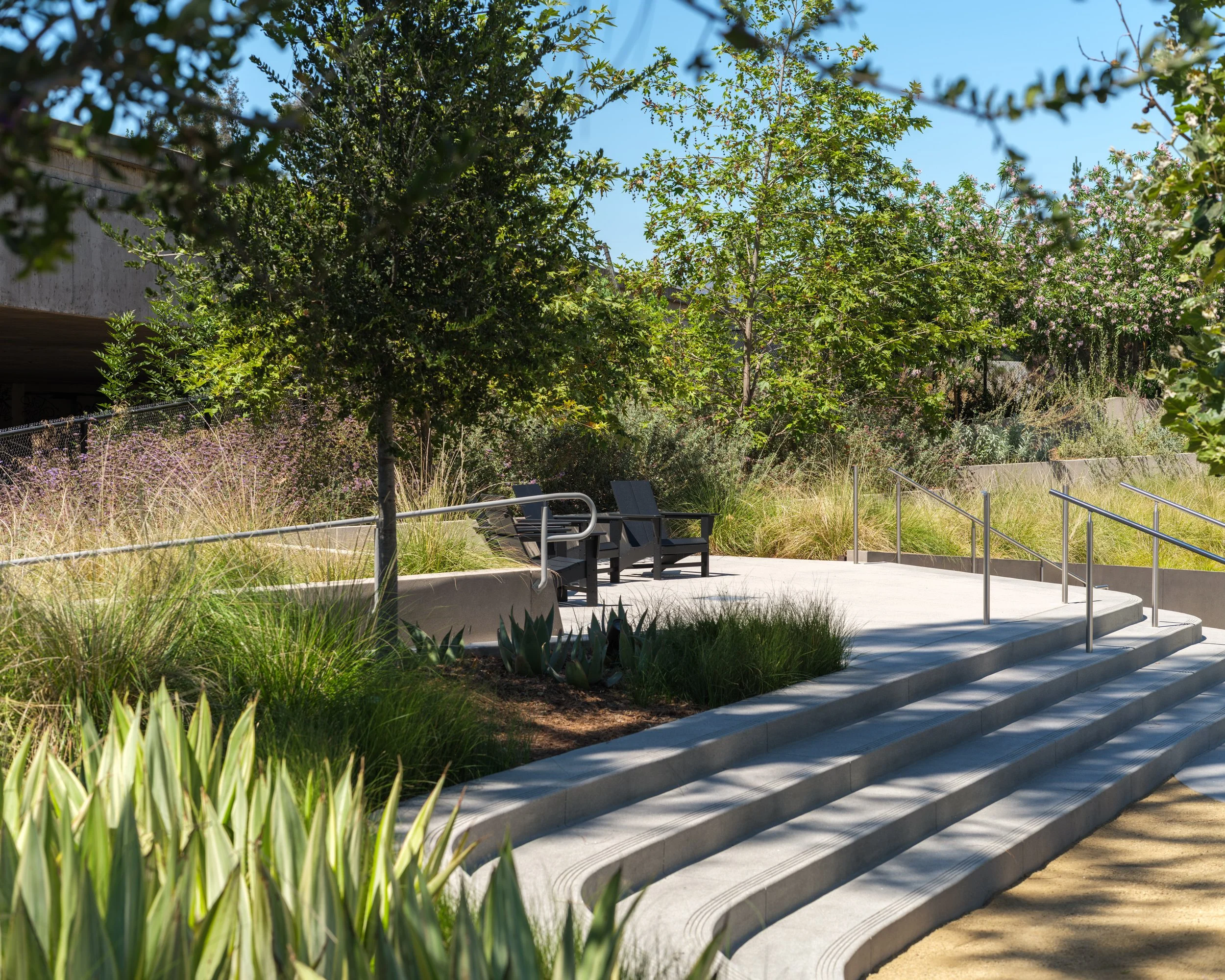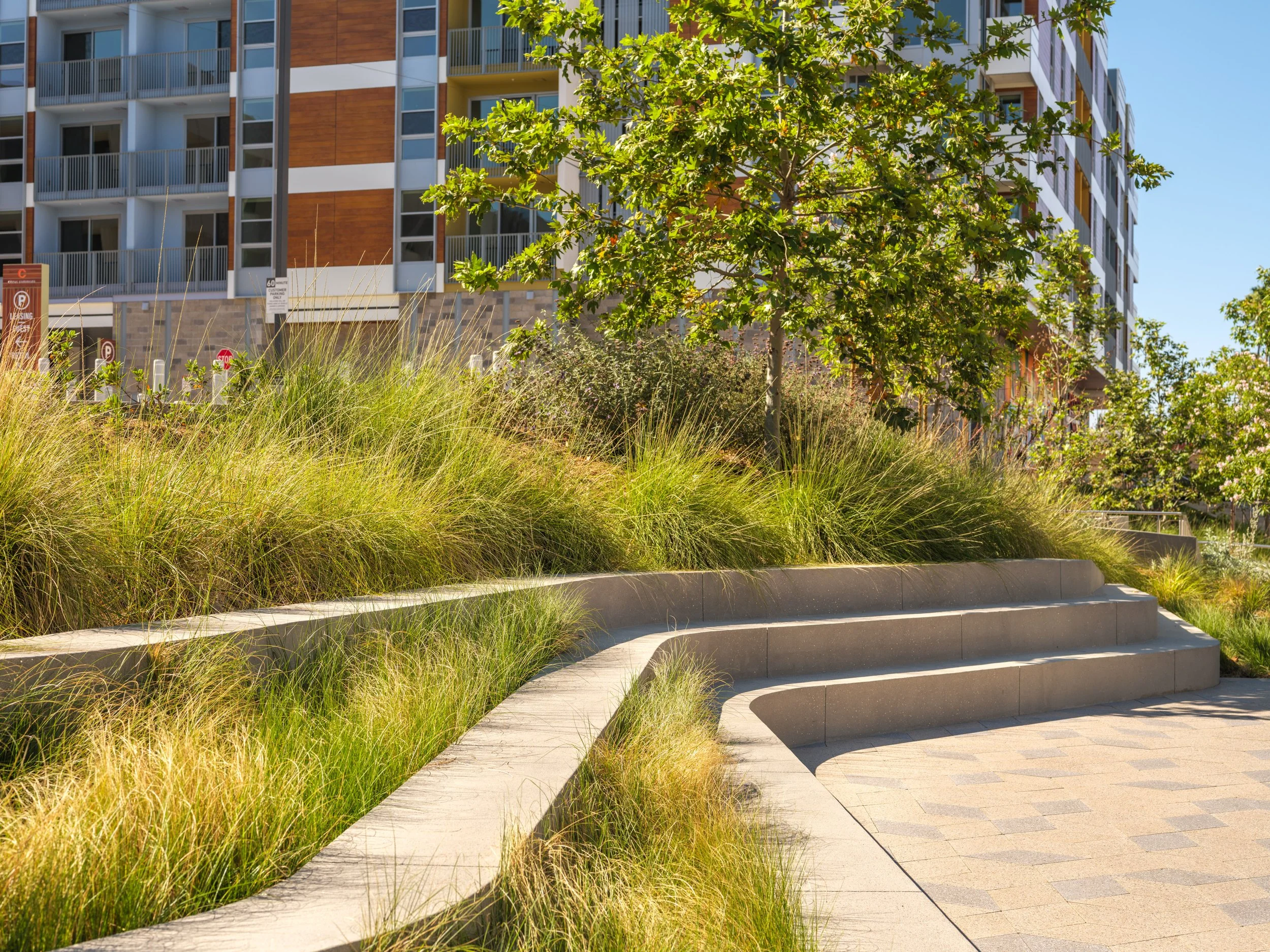
Citrus Commons offers a renewed connection to the riparian landscape of the Los Angeles River and re-centers nature within the urban experience of the San Fernando Valley.
Citrus Commons: A Restorative Urban Landscape
-
Reclaiming a Legacy Site
Inspired by the site’s agricultural history and its connection to the LA River corridor, the landscape offers immersive experiences for residents, visitors, and wildlife through native plantings, shaded walkways, and welcoming social spaces that foster reconnection with the natural environment.
-
Restoring Biodiversity
The landscape strategy reconnects the site to its native Southern California ecology. Drawing from the plant communities of the nearby LA River, the planting design is anchored by a resilient, low-water palette of natives and climate-adapted species to restores habitat for birds and pollinators and reinforce its distinctive sense of place.
-
Rooted Urban Infill
Citrus Commons creates a walkable, human-scaled public realm that seamlessly blends development goals with ecological performance. The landscape design offers a vibrant, resilient landscape grounded in the native character of the LA River and connects the historic Sunkist Building to its agricultural past.

Reconnecting people and place.
BORDER served as lead landscape architect for Citrus Commons, the redevelopment of the historic Sunkist Headquarters site in Sherman Oaks, California. Once a symbol of Southern California’s agrarian identity, the landmark building now anchors a dynamic, mixed-use environment that honors its past while embracing a forward-looking vision of ecological and social resilience.
Located along the LA River corridor in Sherman Oaks, the project transforms a formerly underutilized site into a richly layered environment to support mental and physical well-being, connect people with the natural environment, and provide a renewed sense of place.
Drawing from the LA River Master Plan, the landscape is shaped by a native plant palette that animates the site with color, scent, and movement to soften the boundary between built and natural worlds.
Organic forms inspired by riparian systems thread through the site’s mid-century Brutalist architecture. Existing Pine trees, linear parks, and green corridors weave natural systems into the urban fabric, softening edges and revealing a renewed relationship between infrastructure and ecology. Terraced bioswales and steel walkways guide stormwater while framing experiential paths through texture and elevation.
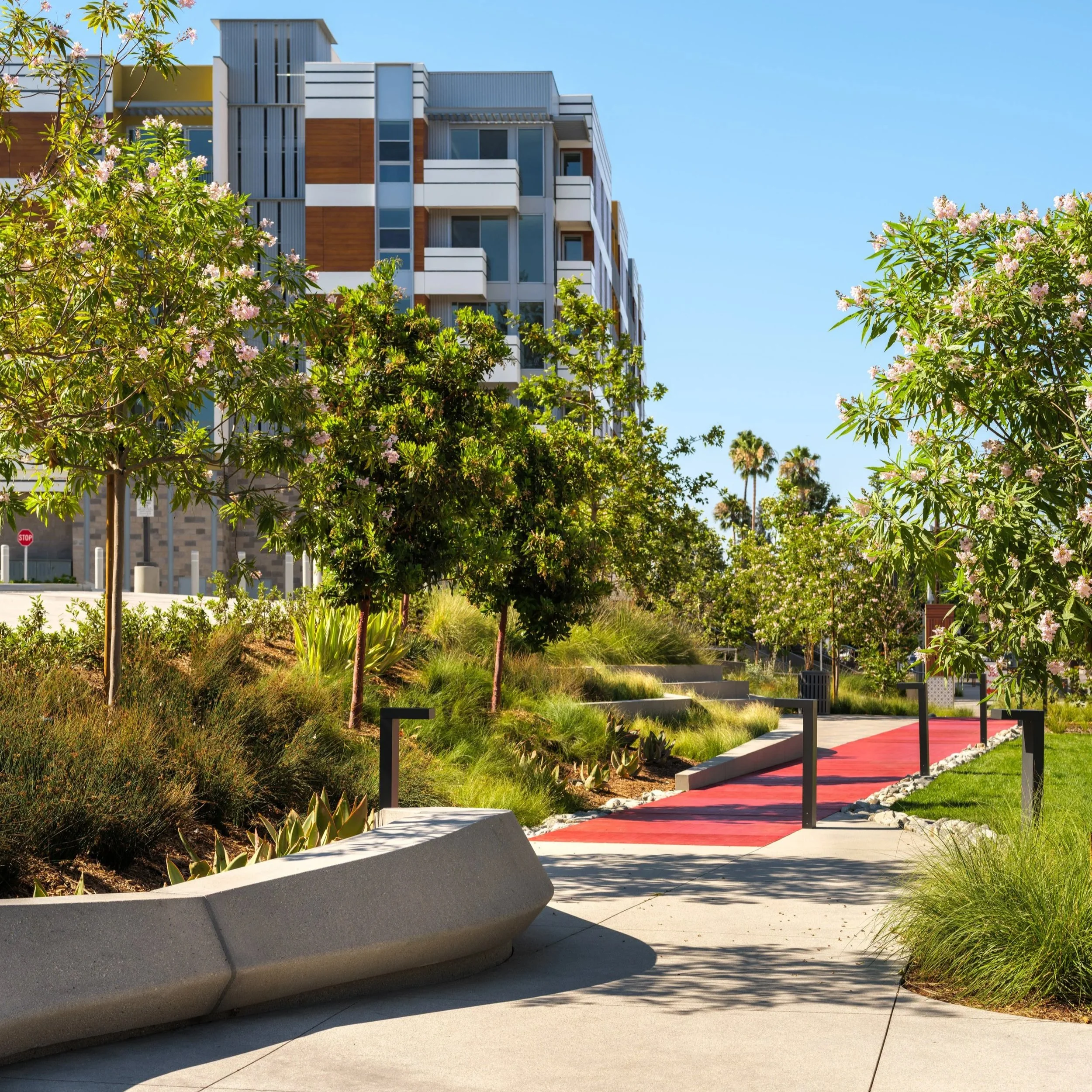
The landscape is meant to be experienced up close.
The landscape design reintroduces biodiversity, improves site resilience, and cultivates a climate-adapted public realm. Large-canopy Oaks and Sycamores provide generous shade, lower ambient temperatures, and offer habitat for birds, butterflies, and other local wildlife.
The filtered light and rustling leaves overhead invite visitors to pause, listen, and inhabit the space more fully.
Walking the garden paths, the experience feels unexpectedly alive. The hum of freeway traffic gives way to the songs of California Towhees and the darting flight of hummingbirds.
Deer Grass ripples with the breeze, and Bush Snapdragons erupt in seasonal color beneath the dappled canopy. These textures, sounds, and scents converge in a subtle yet immersive sensory rhythm to reflect the native character of Sherman Oaks.
Walkways, ramps, and seat walls are woven into the plantings, creating places for reflection, social connection, or simple rest in shaded pockets and social spaces where people can slow down, breathe deeply, and re-engage with the rhythms of the landscape.
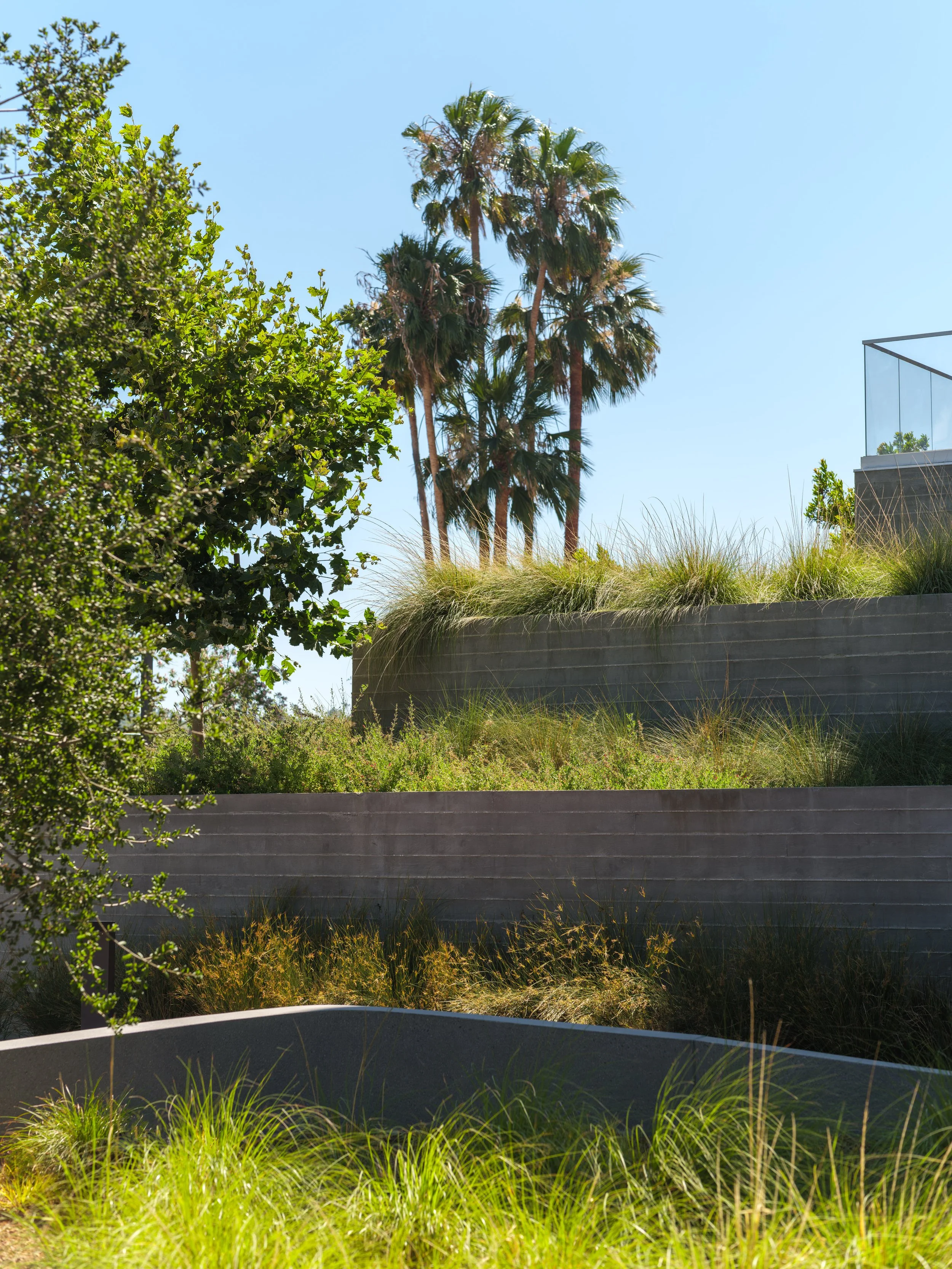
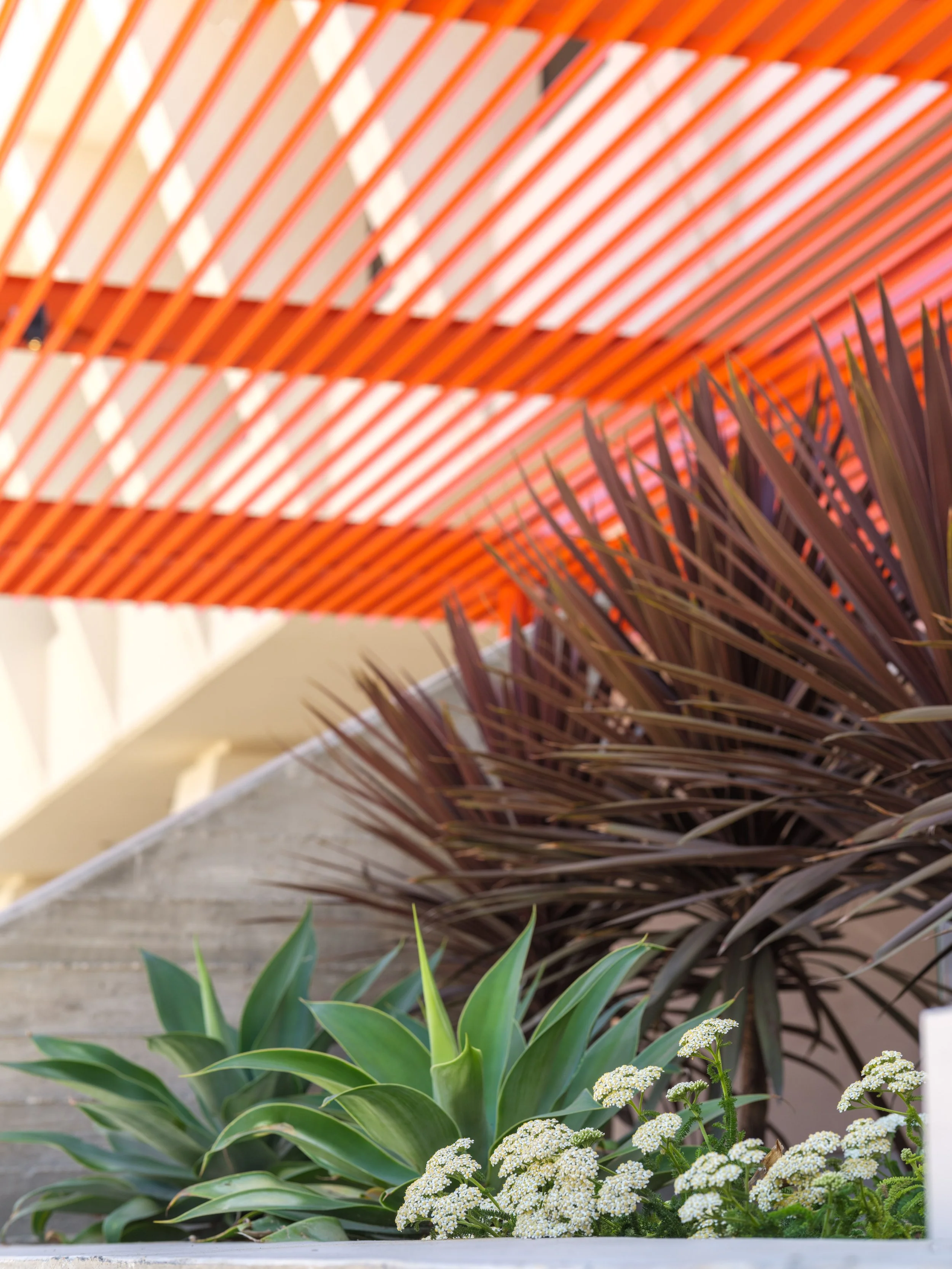
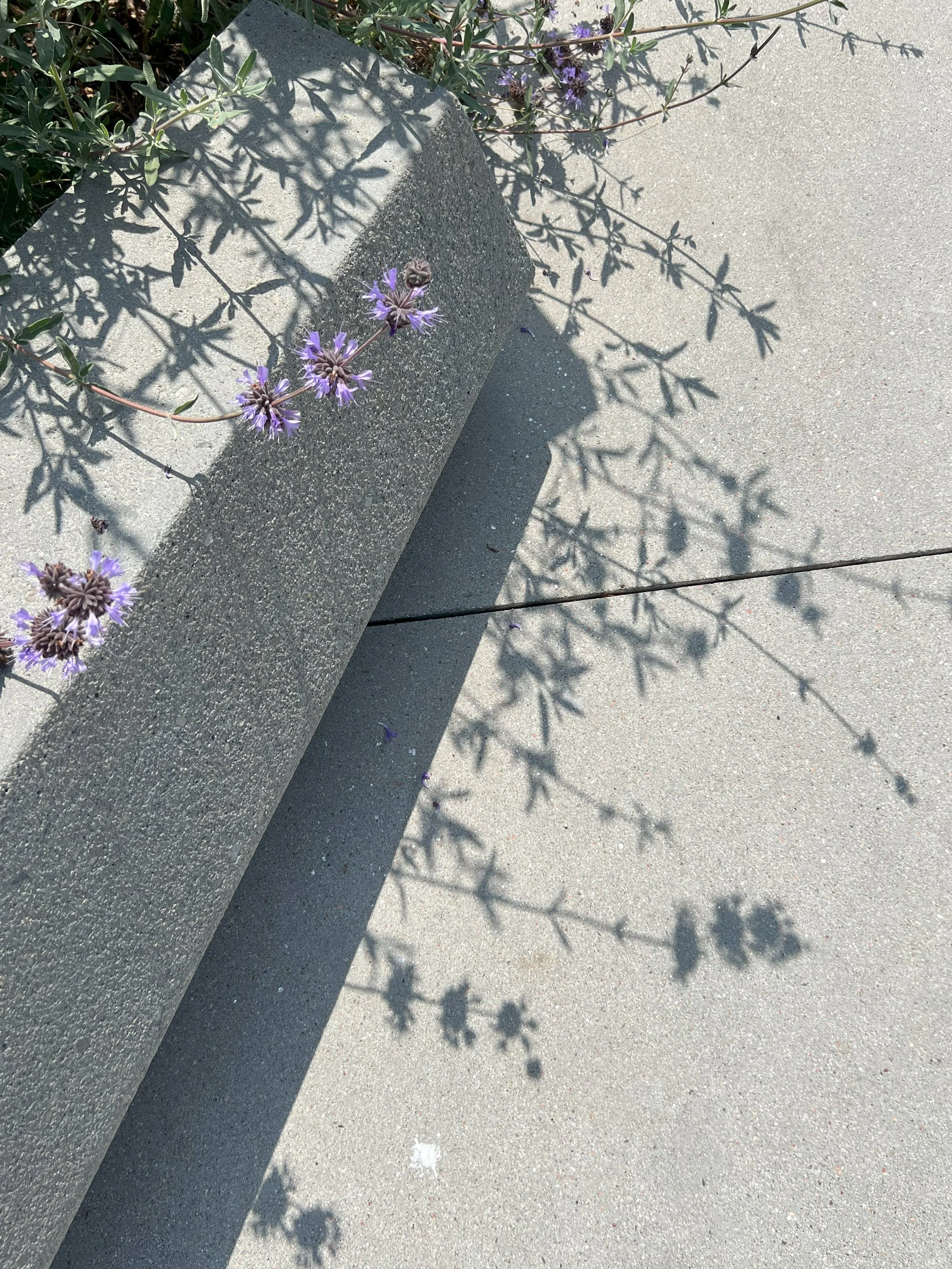
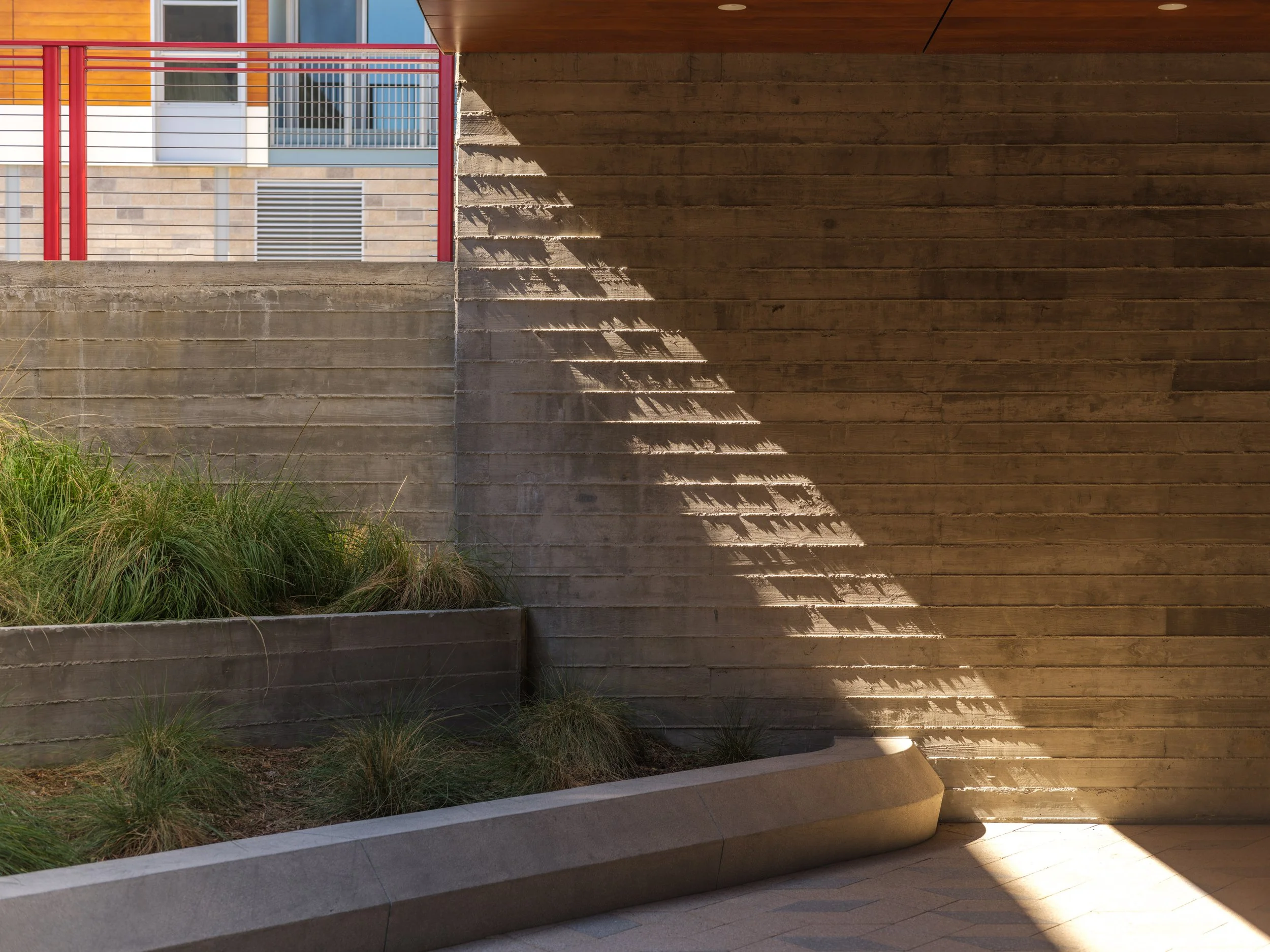
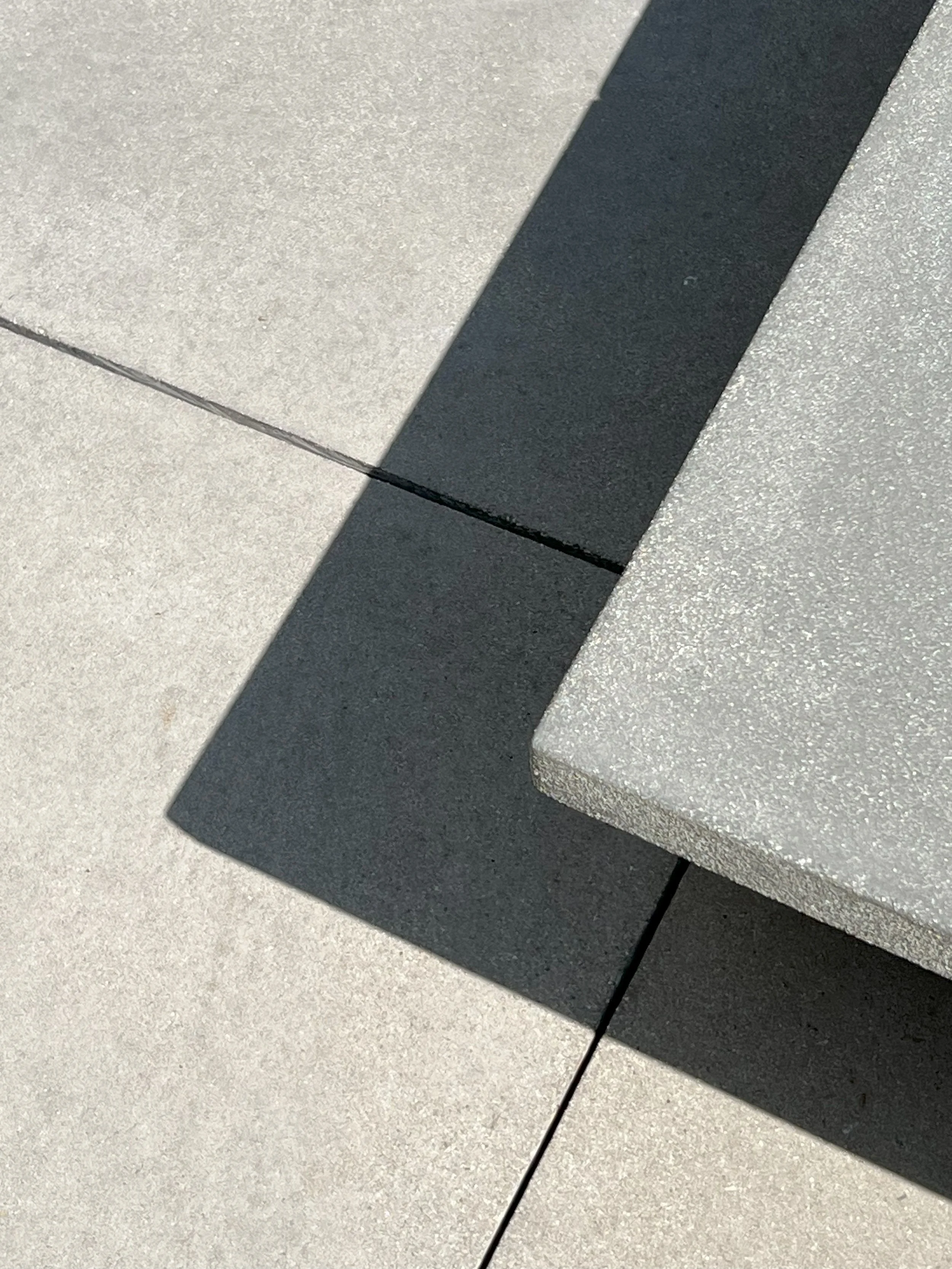
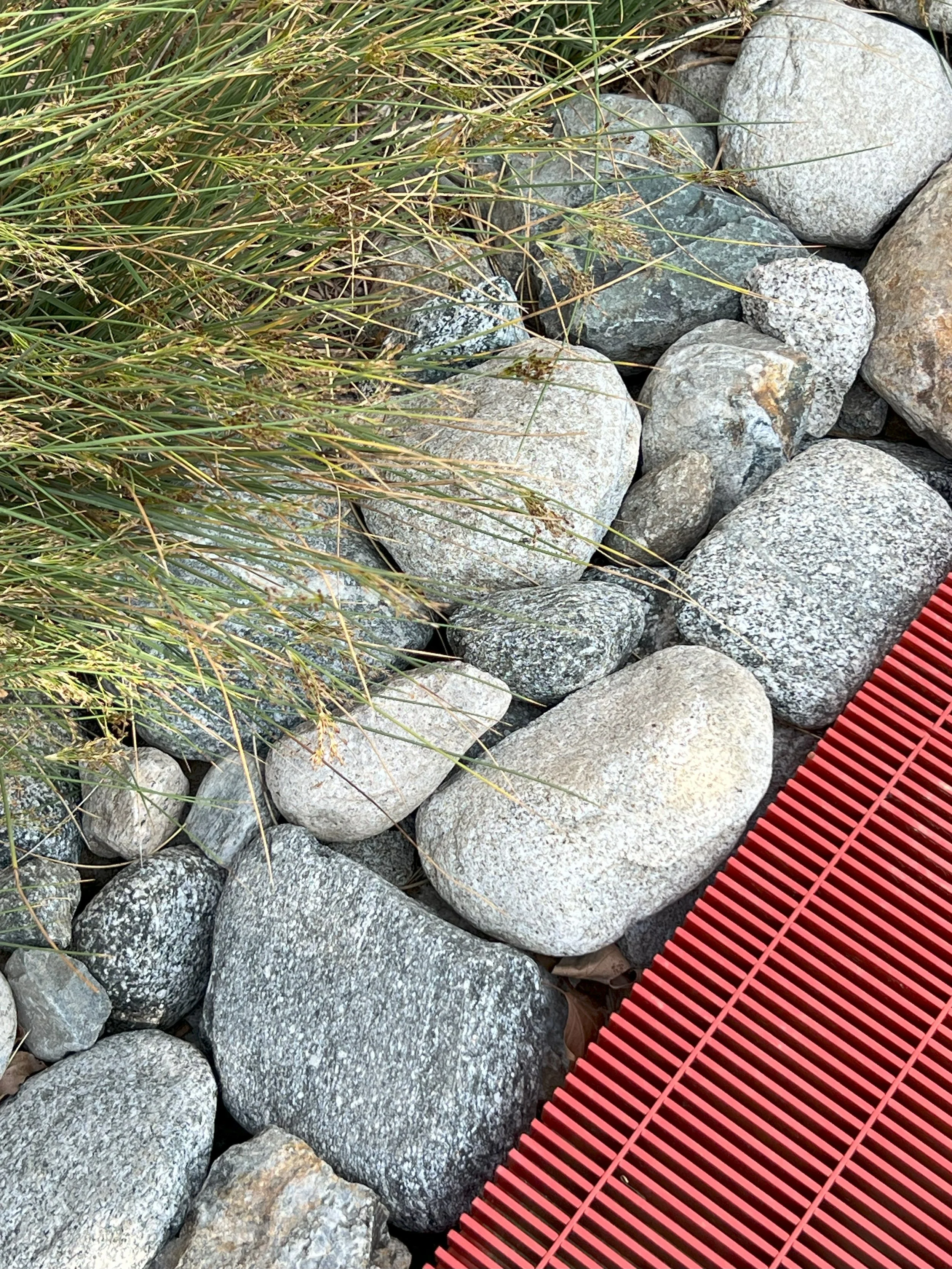
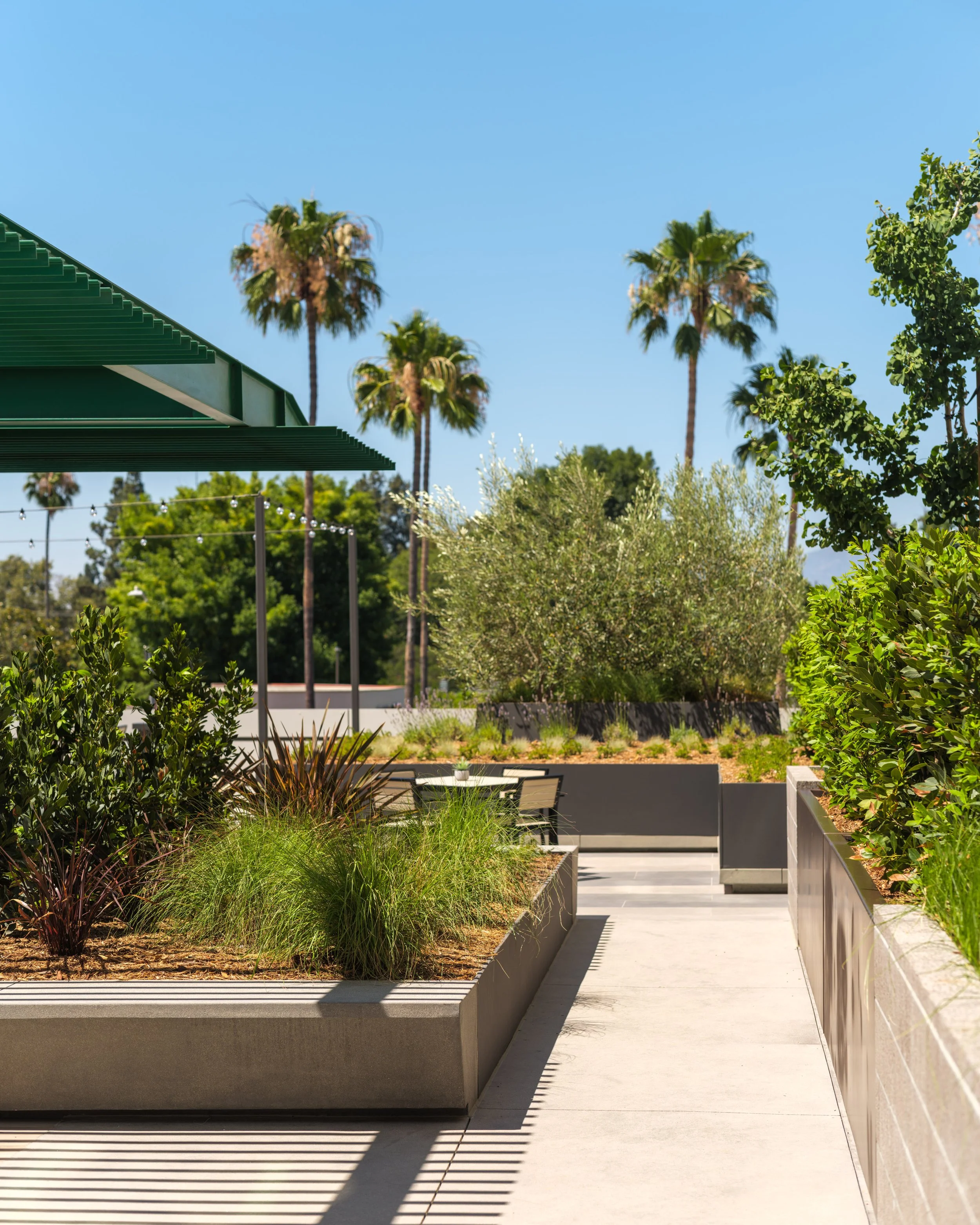
Reintroducing native ecology through an immersive, welcoming design.
The landscape delivers tangible environmental performance: managing stormwater through permeable surfaces and planted infiltration zones, reducing ambient temperatures through shade and evapotranspiration, and reintroducing regionally appropriate species to support ecological function.
At the same time, the design prioritizes daily human experience. Visitors encounter a gradual sensory transition moving from the ambient noise of the city to the rustling of grasses, birdsong, and the flicker of filtered light through leaves. These carefully orchestrated details invite moments of reflection, comfort, and connection.
Citrus Commons demonstrates how landscape architecture can serve as both ecological infrastructure and a vehicle to restore habitat, provide climate resilience, and enhance the human relationship to place.
It is a living, breathing environment that invites people and wildlife alike to pause, reconnect, and dwell within the native spirit of the LA River.
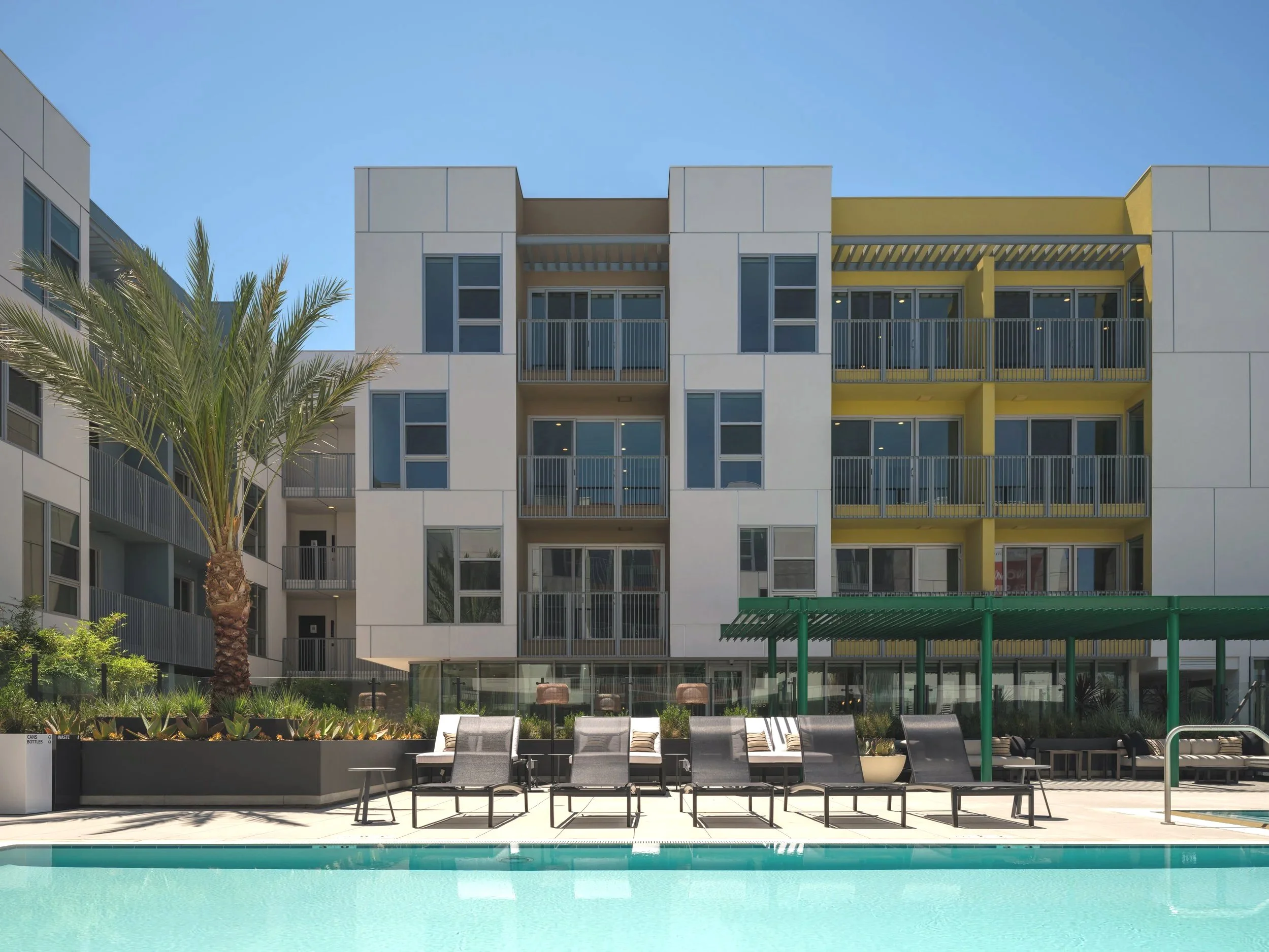
Collaborators
Owner / Builder: IMT Residential
Architect: Johnson Fain
Civil Engineer: KPFF
Environmental Graphics: Selbert Perkins Design
Lighting Design: Francis Krahe and Associates
Landscape Contractor: Golden State
Concrete: Trademark Concrete, Inc.
Precast Furnishings: QCP
Pool and Water Features: Aquatic Technologies